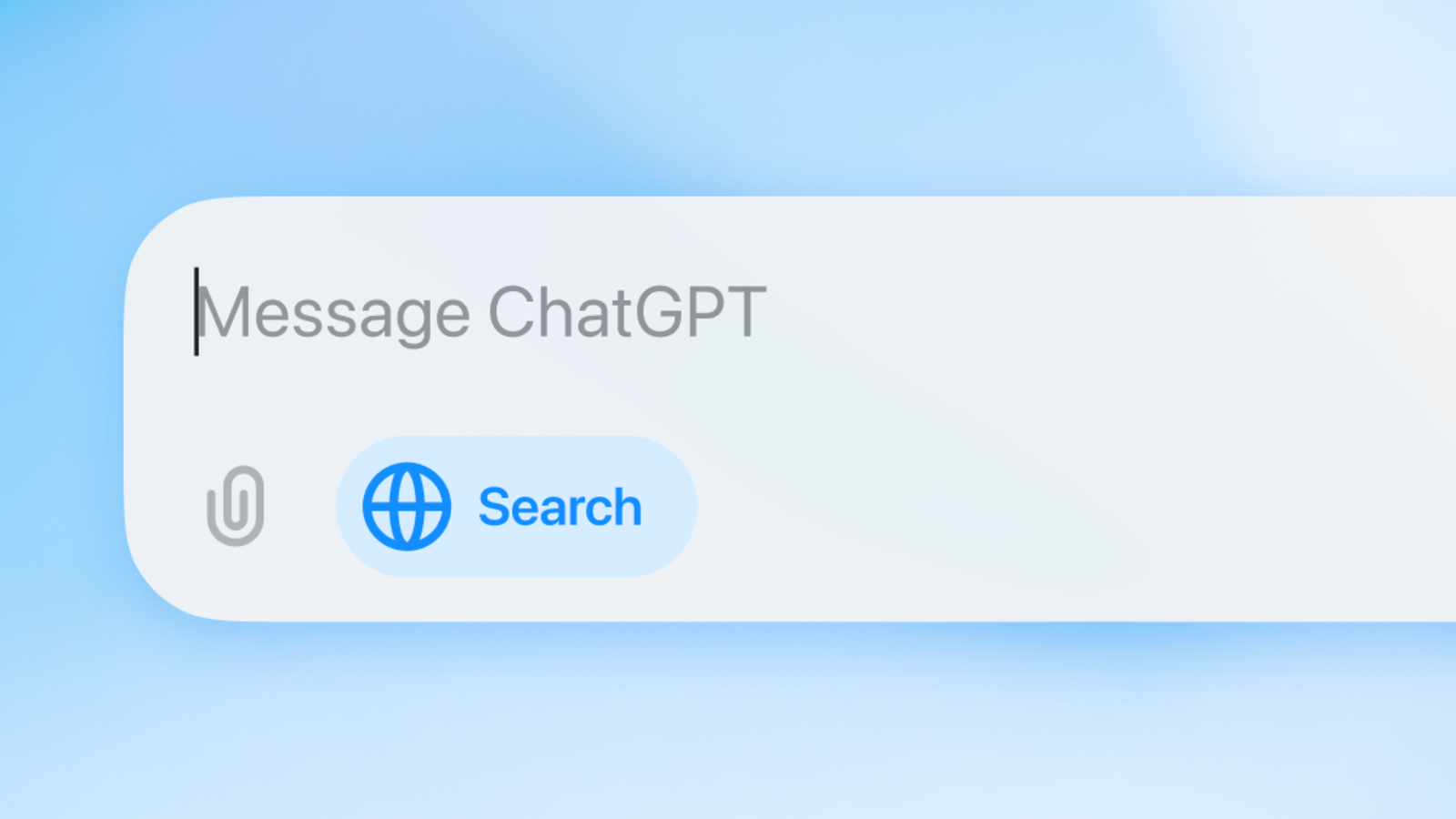
OpenAI has officially split its consumer strategy to capture the mass market. The company announced the worldwide rollout of ChatGPT Go, a new mid-tier subscription priced at $8 per month in the United States. The launch marks a pivot in OpenAI’s monetization model.
ChatGPT Go Tier: What is it?
ChatGPT Go is positioned between the free version and the $20 Plus plan. GPT-5.2 Instant model powers this tier. Go subscribers receive unlimited access to the Instant model, removing the periodic usage caps that frequently interrupt non-paying users.
The $8 tier also introduces significant infrastructure upgrades when compared to the free tier. It features a larger context window and expanded memory capabilities, allowing the model to retain user details and maintain continuity. Go users gain extended access to multimodal tools, enabling more frequent file uploads and image generation than the free plan.
What you dont get in the new $8 ChatGPT Go plan?
ChatGPT Go subscribers do not receive access to a long list of legacy models, GPT-5.2 Pro/Thinking models, maximum available context window, and advanced tools like Sora, Codex, or specialized agentic workflows.
Updated lineup of plans
The launch clarifies OpenAI’s segmentation strategy, which now mirrors classic SaaS tiering:
- ChatGPT Go ($8/mo): Prioritizes high-volume usage, speed, and memory continuity.
- ChatGPT Plus ($20/mo): Focuses on depth and reasoning. This tier unlocks GPT-5.2 “Thinking”, a model optimized for complex logic, along with specialized developer tools like Codex.
- ChatGPT Pro ($200/mo): Tailored for extreme power users requiring maximum context windows and early access to experimental capabilities.
Ads in ChatGPT
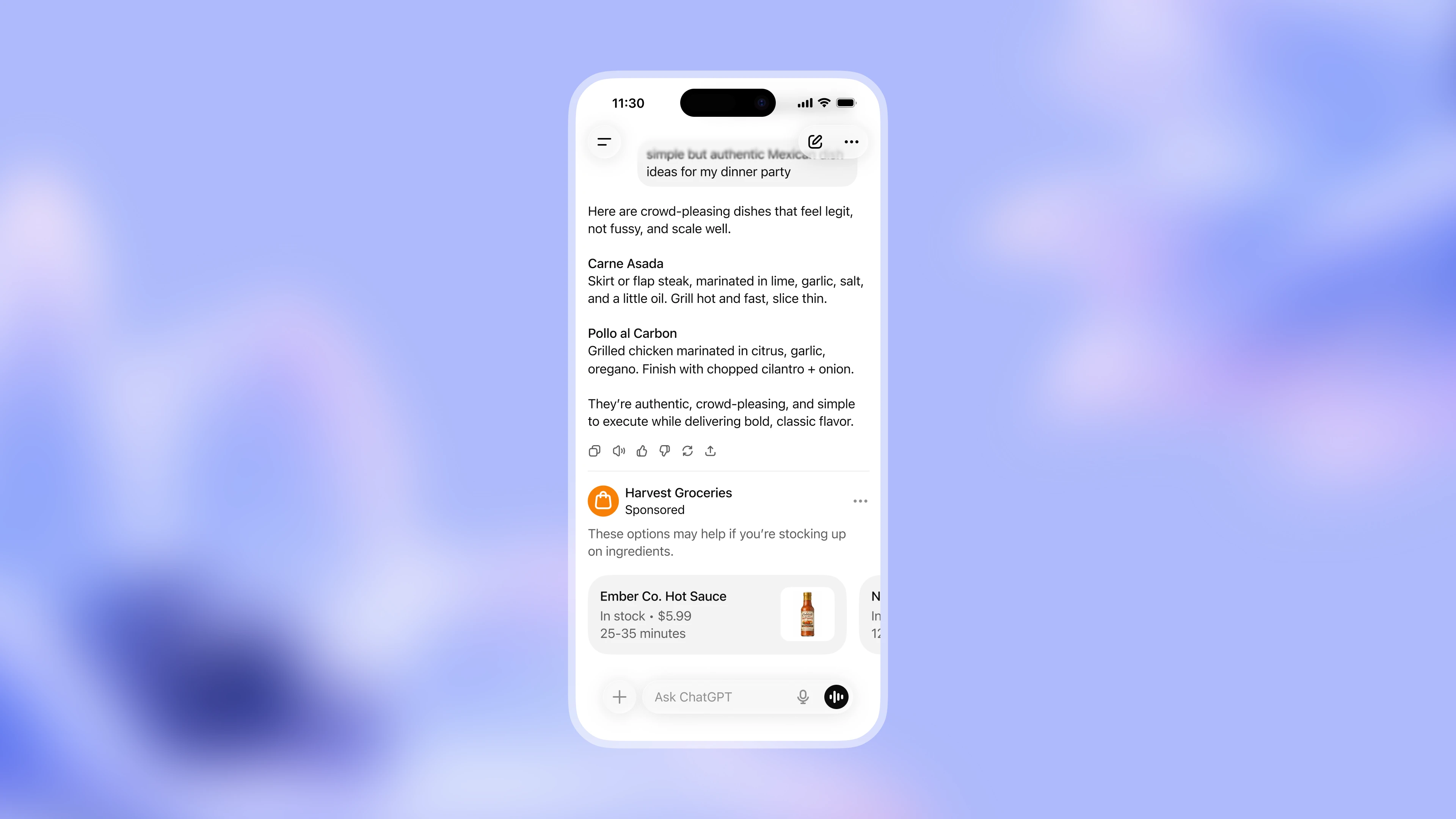
In a notable shift, OpenAI confirmed it will begin testing advertisements for both Free and ChatGPT Go users, initially in the United States. The company states that ads will be clearly labeled and appear at the bottom of the chat.


While Plus, Pro, and Enterprise tiers remain ad-free, the inclusion of ads in a paid subscription (ChatGPT Go) allows OpenAI to lower the entry price to $8 while offsetting the rising infrastructure costs of serving advanced models to a global audience. OpenAI has emphasized that ad targeting will be intent-based rather than profile-based.
This mirrors the playbook used by streaming platforms: a cheaper tier supported by advertising to keep prices low, expand reach, and reduce churn among cost-sensitive users. Given that ChatGPT now serves more than 300 million weekly active users, even a small percentage of ad monetization represents a meaningful revenue stream for the company.
With the $8 price point for its plan, OpenAI is in direct competition with budget AI wrappers, productivity assistants, and niche consumer tools that have undercut ChatGPT Plus over the last year. Instead of losing those users, OpenAI is now meeting them at their price point.
Join the Conversation
What do you think of ChatGPT Go and the shift toward hybrid monetization in AI? Are ads an acceptable trade-off for lower subscription costs? Share your take in the comments, or continue the discussion with me on LinkedIn, X, or on Threads.



Leave a Reply